
At a glance
- Page topic
- Diseases carried by rats
- Area covered
- Riga and the surrounding region
- Price
- From €40 — the figure quoted is the final price
- Availability
- 24/7, weekends and nights included
- What works
- Metal mesh with a 5 mm aperture and cement mortar; expanding foam does not
- How to book
- Enquiry form only — we reply within 5 minutes
The health risk is the main reason not to ignore the presence of rodents, even when no damage is visible yet.
Leptospirosis
The best-known rodent-related infection in Latvia. It spreads through animal urine, including via water and damp soil. It enters the body through broken skin or mucous membranes. The symptoms — high fever, headache, muscle pain — resemble flu at first. The SPKC regularly issues reminders to take care.
Salmonellosis and other infections
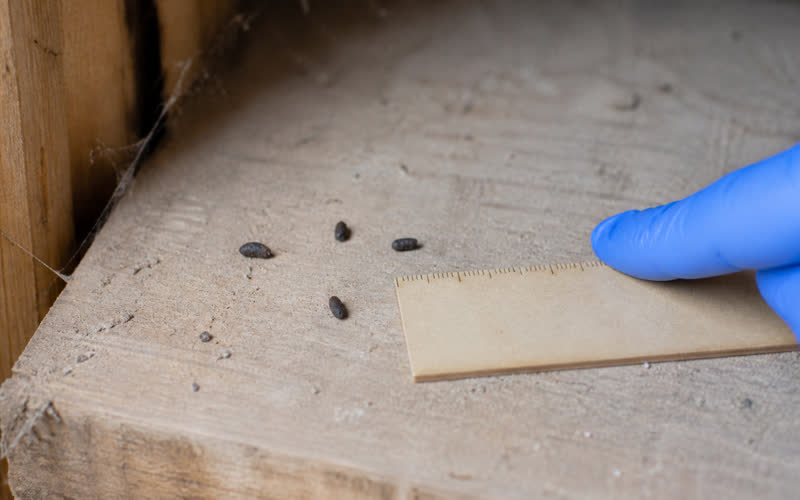
Rodents contaminate food and surfaces with droppings. Salmonellosis causes gastrointestinal illness. Other agents are possible too, including ones carried by rodent parasites.
How to reduce the risk
Never sweep droppings up dry — use gloves, a disinfectant and a wet method. Throw away food whose packaging is damaged. Wash your hands after working in a basement, shed or attic.
When to see a doctor
If a high fever, severe muscle pain or flu-like symptoms appear after contact with a rodent environment or with rodent droppings, tell the doctor about the possible exposure — it affects the diagnosis.
Which situations carry a real risk
In day-to-day life the risk is not spread evenly — it concentrates in a few specific situations. The first is the food storage area: kitchen cupboards, the pantry, the basement shelf with potatoes and onions, the sack of pet food. If droppings or urine get in there, the contamination reaches the food and the dishes. The second is where children play — floor coverings, a rug, a toy box, where a child puts its hands in its mouth. The third, and in practice the most underestimated, is cleaning the contaminated room itself: someone starts sweeping out a basement or attic without gloves and without breathing protection, and that is the moment when contact with the dust is greatest. The fourth is handling building rubble and old insulation during renovation. If you can see which of these applies to you, you know where to introduce precautions first.
Safe cleaning, step by step
The method is wet, and it is the only correct one. First open the windows and doors and let the room air for at least half an hour before you go in to work. Put on rubber or nitrile gloves, a respirator and, if the room is dusty, safety goggles. Dampen the contaminated area thoroughly with a spray bottle of soapy water or a household disinfectant solution and leave it to stand for five to ten minutes — the wetting is precisely the step people skip. Collect the material with paper towel or a disposable cloth, put it in a tie-top bag, tie it and place it inside a second bag. Wipe the surface afterwards with a damp cloth. Wash the gloves before taking them off, then throw them away, and wash your hands with soap for at least twenty seconds. Wash your work clothes separately.
Why dry sweeping and vacuuming are not acceptable
The motion of a broom and the airflow of a vacuum cleaner both do the same thing — they lift fine particles of dried droppings and urine into the air. In a closed, poorly ventilated space such as a basement, attic or shed, those particles stay airborne for a long time and reach the airways at exactly the moment when the person is working and breathing more deeply. A domestic vacuum filter does not hold particles of that size and blows some of them straight back into the room, spreading the contamination over a wider area than it originally covered. So the correct order is always to dampen, let it stand and collect, never to sweep dry. A vacuum cleaner may only be used once all the visible material has been collected wet and the surfaces have been wiped down.
The risk to pets
Dogs and cats come into contact with rodents more closely than people do, and differently. A dog may drink from a puddle in the yard or in the basement that rodent urine has got into, and that is one of the most typical routes of exposure. Cats hunt and can bring material indoors, depositing a dead animal on the rug. The practical steps are simple: do not let animals into areas where activity has been found, do not expect the cat to solve the problem, pick up dead animals with gloves and a bag rather than by hand, and keep pet food in a closed container rather than in an open bowl overnight. If a pet becomes weak, refuses food, vomits or shows other unusual signs after possible exposure, take it to a vet.
Food and dishes after contamination
The guiding principle here is simple: anything that cannot be safely washed gets thrown away. Food in open or gnawed packaging must not be kept, even if only a corner has been chewed — cardboard, paper and film packaging do not count as a barrier. Tins and glass jars with an intact lid can be kept, provided they are washed first. Dishes, chopping boards and cutlery that were in a contaminated cupboard should be washed in hot soapy water and then rinsed; wooden boards with deep knife cuts are better replaced. Empty the shelves completely, wipe them down wet and let them dry before putting the food back. For storage from then on, use glass or hard plastic containers with a tight lid — that is the only storage genuinely closed to rodents.
Who needs to take more care
For some people contact with a contaminated environment is less advisable than for others, and that is worth bearing in mind when dividing up the household jobs. Small children are closer to the floor, often put their hands in their mouths and do not wash them — they should not be allowed into the room during cleaning at all. Older people often take on sorting out the basement themselves, even though that is exactly where the dust is heaviest. People with chronic respiratory conditions, people with weakened immunity and pregnant women should also take care. In these cases the practical answer is straightforward: someone else does the cleaning, the room is aired well afterwards, and the person concerned only goes in after that. Any health question is for a doctor to assess — this information is only about reducing exposure.
Frequently asked questions
Can you fall ill without direct contact?
Yes — through contaminated surfaces, food or water.
Are droppings dangerous?
They can contain pathogens, so work with gloves and a wet method.
Is leptospirosis treatable?
Yes, diagnosed in time it is treatable.
Should I see a doctor as a precaution after cleaning a basement?
If the work was done with protective equipment and there are no complaints afterwards, there is usually no reason to. If you feel unwell after the job, or develop fever, muscle pain or any unclear symptoms, see a doctor and mention the contact with rodent droppings — that is important information for them.
Can food that was in a sealed plastic container in a contaminated cupboard still be eaten?
If the container is rigid, with a tightly sealing lid and no damage, the contents are protected. Wash the outside of the container before opening it so the contamination does not get inside. Soft packaging, paper bags and film do not count as sealed storage.
Is there still a risk if the droppings are old and dry?
Dry droppings are not to be treated as harmless, and it is in the dry state that they break down into dust most easily. So old contamination is also collected wet, with gloves, rather than swept or vacuumed. Age is no reason to skip protection.