
At a glance
- Page topic
- How long rodent control lasts
- Area covered
- Riga and the surrounding region
- Price
- From €40 — the figure quoted is the final price
- Availability
- 24/7, weekends and nights included
- What works
- Metal mesh with a 5 mm aperture and cement mortar; expanding foam does not
- How to book
- Enquiry form only — we reply within 5 minutes
Rodent control is not a one-off event with a guaranteed term, but a process whose duration depends on the premises and on whether the entry points have been sealed.
The first days
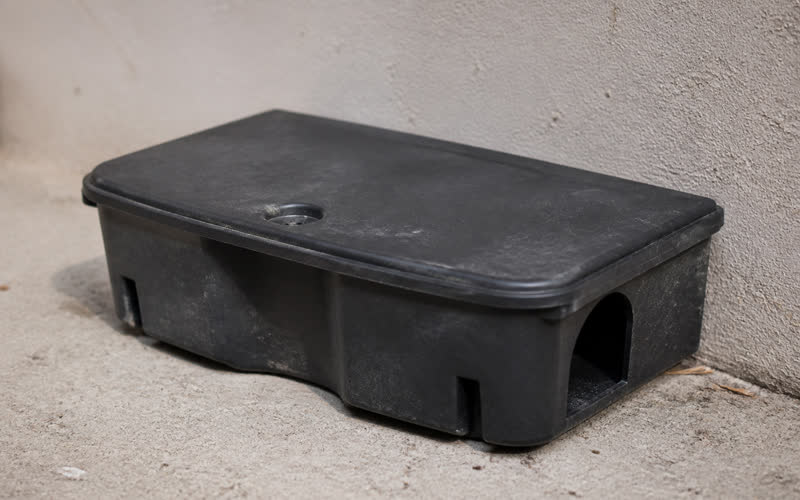
Mice react quickly — often on the very first night. Rats, because of neophobia, need 3–7 days before they will accept a station. That is a normal process, not a fault in the method.
When a follow-up check is needed
A follow-up check is part of the treatment. It shows whether activity has stopped, whether the products used need replacing and whether the placement needs adjusting.
What determines the long-term result
The main factor is sealing entry points. If the gaps stay open, new rodents will move into the vacated territory — sometimes within a few weeks. If they are sealed, the result holds for a long time.
Premises under constant pressure
In warehouses, production plants, food premises and the basements of blocks of flats, the influx from outside never stops. There the answer is regular servicing with control points, not a one-off treatment.
What the result looks like week by week
The result is judged on evidence, not on how it feels. In the first week you normally see rapid bait consumption and still-fresh droppings — that is not failure, it is a sign the treatment is working. In the second week consumption starts to fall, the noises become less frequent and move into a smaller area. By the third week there should be no fresh droppings appearing; if there are any, they are dry, dark and old. By the fourth week bait consumption has stopped completely in most flats and basements. A simple way to check for yourself: clean one area completely and note the date. If there is nothing new there after seven days, movement in that spot has ended. This method is more accurate than memory and lets you compare two periods objectively.
Why noises can carry on for a while
The question often comes in this form: consumption has stopped, there are no droppings, but at night something is still rustling behind the wall. There are usually two reasons. The first is that a few individual animals remain in the building, using the old route but no longer feeding in your rooms; their numbers are small and will dwindle in time. The second, and the commonest, is that the noise is not made by animals at all but by old nesting material, insulation or airflow in a shaft, which people only start to notice because they are listening more carefully than before. A practical test is whether the location shifts: if the sound no longer travels horizontally but always comes from one fixed spot, it is most likely not an animal. If after three weeks the sound is still changing and moving about, it needs checking.
The season changes the answer
In Riga, how long the result holds varies with the time of year the treatment was done. In summer, when food is available outdoors and the population is spread across yards, gardens and bin areas, a single treatment lasts longer because the pressure on the building is low. In autumn, from September to November, there is a mass movement into the warmth, and in that period the same treatment in a building with unsealed entries may hold for only a few months, because the influx from outside is constantly renewed. In winter the result is usually stable, as there is little new movement. In spring the breeding season starts and the population outdoors grows again. So the honest answer to the question of duration is not a specific number of months, but how great the pressure from the surroundings is and how well the building is sealed.
A second treatment, or patience
Not every situation where something is still happening after treatment calls for a new treatment. Patience is the right answer if bait consumption is falling, the noises are getting less frequent and the number of new droppings is decreasing — the process is working, it just needs time. A second treatment is genuinely needed in other cases: if after two weeks consumption has not dropped at all, if activity appears in a completely new part of the building where there was nothing before, if a permanent entry from a neighbouring property has been found, or if building work has started nearby in the meantime. Misjudging the scale matters too: a large basement or warehouse is rarely resolved in one visit, and there a follow-up check is part of the plan, not a sign that the first time failed.
Sealing entry points makes the result last
Treatment reduces the population, but the physical condition of the building determines how long it stays low. If, once consumption has stopped, the pipe entries, ventilation openings, cracks in the foundations and gaps under doors are sealed, the same premises are usually still empty the following autumn. If the sealing is not done, every cold spell brings new animals in along the same route. The order matters — sealing may only be done once movement has stopped, otherwise the animals are shut inside and move upwards through the shafts. The choice of material also determines the result: expanding foam and plaster are gnawed through within weeks, whereas metal mesh, a sheet-metal insert or cement with a mineral filler will last for years.
What to watch for yourself in the months ahead
After treatment it is worth introducing a simple monthly check that takes ten minutes. With a torch, look over the skirting boards in the kitchen, the cupboard under the sink, the corners of the basement or store and the areas around pipe entries — look for fresh droppings, grease marks on the wall at a height of five to ten centimetres, and gnawing in wood or plastic with light, fresh edges. Check that the sealed points are intact. Pay attention to dry food and pet food — a chewed corner of a packet is the earliest sign. Outside, look at the bin area and the line of the building's foundations. If new signs appear, fill in the form and describe where and when you found them — reacting early costs less and is resolved faster.
Frequently asked questions
Does the treatment have to be repeated?
In flats usually not, provided the gaps have been sealed. On commercial premises regular servicing is advisable.
When will I see a result?
Usually in the first week.
Why did the rodents come back?
Almost always because entry points were left open.
How long after treatment can noises still be heard?
Usually up to two weeks, less often three. During that time the noises should become less frequent and confined to a steadily smaller area. If the sounds stay as frequent as at the start, or appear in a new part of the building, that points to a route that is still active, and the premises need checking again.
Can one treatment be enough for good?
In a flat with sealed entries and food storage sorted out — often yes. In a basement, a private house or on commercial premises, where there is constant rodent pressure around the building, one treatment reduces the population, but what makes it last is sealing entry points and periodic checks.
When should you start worrying that the result has not been achieved?
If within two weeks bait consumption has not decreased and new signs appear as often as they did before treatment. That is a sign either of a continuous influx from outside or that some room on the premises has been left uninspected. In that case, fill in the form and give the dates of your observations.