
At a glance
- Topic
- Mice in cars — damaged wiring
- Signs
- Droppings, grease marks, gnawing, noise
- Mouse gap
- From 6–7 mm
- Rat gap
- From 20 mm
- What fixes it
- Inspection, bait stations or traps, sealing entry points
- How to book
- Enquiry form only — we reply within 5 minutes
In winter the engine bay is warm, dry and sheltered. If a car sits for long periods in a garage or a yard, it becomes an attractive nesting site.
Why mice gnaw wiring
Rodent incisors grow throughout life, so they have to gnaw constantly. Wiring insulation is the right texture, and in some modern cars the insulation uses plant-based materials, which attracts rodents further.
Where to look for signs
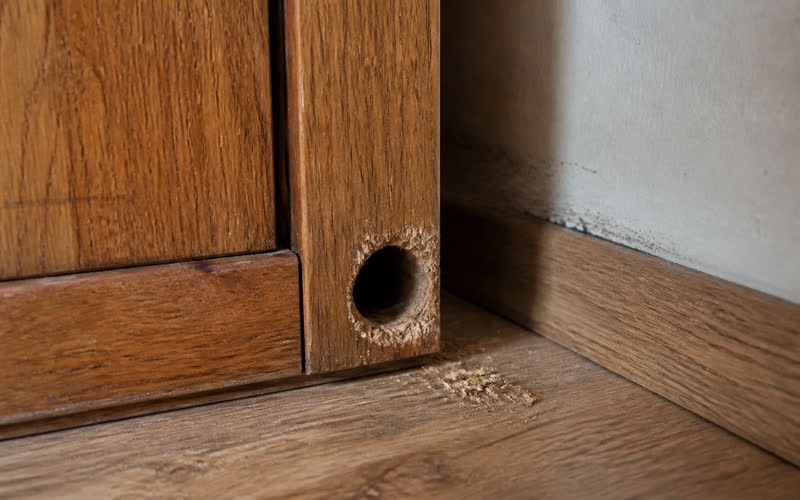
Nesting material on the engine, in the air filter housing and under the cabin filter. Chewed pieces of insulation, droppings on the battery and a distinctive smell when you switch the ventilation on.
What to do in the garage
Never keep pet food, seed or open food in the garage. Cardboard boxes are nesting material. If the car stands for a long time, open the bonnet from time to time.
How to prevent it
Treating the garage with stations along the walls and behind shelving reduces the population. The car itself does not need treating — what needs reducing is the number of rodents in the space.
How to check under the bonnet
Do the inspection on a cold engine and with a torch, because in daylight the shadows hide most of it. Start with the battery and the top of the engine cover — the first signs usually collect there: seed husks, tufts of cotton, chewed insulation. Open the air filter housing; it is one of the most common nesting spots, being dry and enclosed. Check the cabin filter compartment at the base of the windscreen. Run your hand along the wiring looms down the sides of the engine, feeling for exposed copper strands. Last come the plastic wheel arch liners and the area above the transmission tunnel. One full circuit is worth doing once a month through autumn and winter.
Warning signs while driving
The nose is often the first to notice the problem. A sharp, ammonia-like smell through the vents, particularly when the blower comes on, points to urine and a nest in the cabin filter area. A burning or melting plastic smell means damaged insulation on a hot component — stop driving at that point. Watch out too for electrical oddities with no logic to them: one sensor reading disappears, a fault message flashes up and goes away again, the wipers or the heated screen stop working, the engine picks up revs poorly. Unrelated faults in several systems at once almost always mean mechanical damage to a wire rather than an electronics failure.
Why a stationary car is the biggest risk
Rodents choose places where they are not disturbed. A car used every day is startled and warmed through every morning — no good for a nest. A car left standing for two or three weeks becomes ideal shelter: dry, enclosed, with soft insulation materials to build a nest from. That is exactly why the worst damage happens to a family's second car, a seasonal vehicle, or a car waiting for a repair. If you plan not to use a car for more than a week, clean the interior beforehand, and every few days open the bonnet and run the engine for a few minutes. Regular presence works better here than any device.
How to clean out a contaminated engine bay safely
Dry brushing or compressed air is the worst option, because it lifts dust from droppings and urine straight into your breathing zone. Work on a cold engine, disconnect the negative battery terminal, and put on gloves and a respirator. Dampen the nesting material and droppings first with soapy water from a spray bottle, let it stand a few minutes and only then collect it with paper towels into a sealed bag. Wipe hard surfaces down damp. Do not spray water onto electronic modules, connectors or the alternator. If you find chewed insulation, do not wrap it up with ordinary tape — the damaged spot needs showing to a garage, because several strands may be severed under the outer sheath.
What to do with a car that stands over winter
Long-term storage needs preparation, not hope. Clean the interior and boot out completely, and take the mats out if the space is damp. Close the windows and the ventilation intake as far as the design allows. Park the car on a hard surface and clear the space around it — no boxes, rags or bags nearby. Set traps around the wheels and one at the front of the car, not in the engine bay, and check them once a week. Every fortnight open the bonnet and check the air filter housing and the wiring looms with a torch. This one regular check finds nesting while it has still cost nothing.
Frequently asked questions
Does insurance cover this damage?
It depends on the policy; in many cases rodent damage is an exclusion.
Do ultrasonic devices help?
The evidence for their effectiveness is weak — rodents get used to them.
Does the car need treating?
No, what needs treating is the space it stands in.
How often should the engine bay be checked in autumn?
For a car in daily use, once a month from September to March is enough. If the car stands unused for several weeks, or rodent signs have already been found nearby, check it weekly. The check takes a few minutes, and it is exactly what finds a nest before it turns into wiring damage.
Does a smell through the vents always mean rodents?
Not always — a mouldy smell from a damp evaporator is similar. The difference is in the character: with rodents the smell is sharp and close to ammonia, and it gets stronger when the blower comes on. Check the cabin filter and its compartment; nesting material or droppings there answer the question straight away.
Can a car showing signs still be used?
If all you have found is nesting material and there is no damage, you can drive, but the bay needs cleaning out within the next few days. If you can see exposed wiring insulation, smell burning, or electrical faults have appeared, drive to a garage and do not put it off — a severed wire can start a fire.