
At a glance
- Location
- Saulkrasti
- Service
- Rodent control — rat and mouse extermination
- Price
- From €40 — the figure quoted is the final price
- Availability
- 24/7, weekends and nights included
- Getting there
- We travel from Riga; arrival time agreed per address
- How to book
- Enquiry form only — we reply within 5 minutes
Rodent control in Saulkrasti: a seasonal town, a seasonal problem
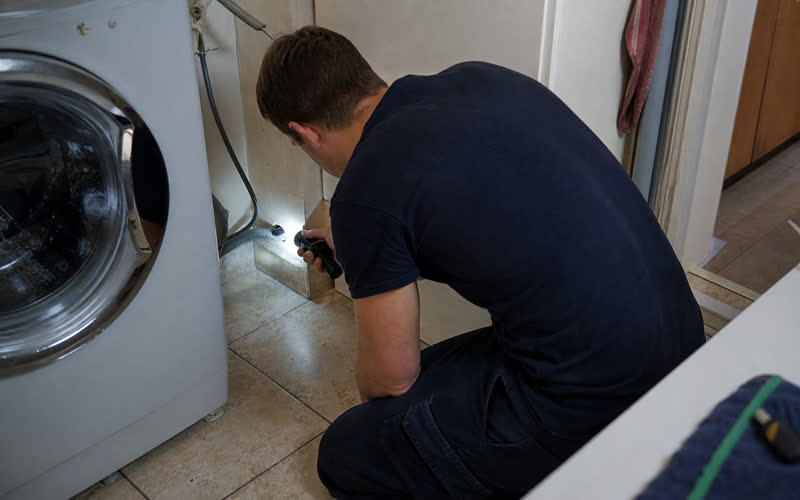
Saulkrasti is a town and district centre by the sea — a long, drawn-out ribbon of development with timber summer houses, detached homes, guest houses and a great many seasonally used properties. That seasonality determines everything else. A large share of the buildings stand empty from autumn to spring, unheated and unchecked, and for rodents that is an ideal combination: a structure warmer than the outside, complete quiet, and nobody to disturb them. So rodent control in Saulkrasti is almost never just a treatment — it is an inspection after the empty season and preparation of the building for the next one. The first step is always to walk the crawl space, the store rooms, the roof space and the perimeter, find where the rodent got in, and only then plan the control points. On a seasonal property time matters too: the longer a building has stood unvisited, the more thoroughly the rodents have settled in.
What you find when you open the house in spring
Damage in a seasonally used property reveals itself in a single day — the day the season opens. The typical picture: gnawed mattresses and pillows, ruined textiles and bed linen, mineral wool or polystyrene insulation torn out, chewed cable insulation and droppings across cupboard shelves. Size tells you what you are dealing with: droppings of 3–6 mm point to a house mouse or a field mouse, 15–20 mm to a brown rat. Along the runs, greasy marks are left on the walls 5–10 cm above the floor. The material losses here are usually greater than the cost of the treatment itself, because the rodents have been working without interruption for several months. Treating a summer house falls within the private house range of €90–110, with a minimum callout of €40. It is worth inspecting the building before cleaning the rooms, so that the damaged spots stay visible and point to the entry routes.
Two natural moments: the pre-season inspection and closing the house up
A seasonal property has two logical service moments. The first is the pre-season inspection in spring: we assess what happened over the winter, place control points, record the gnawing and the entry points, and establish whether rodents are still in the building. The second, and in practice the more important, is the treatment before the building is closed up in autumn, when the owner leaves for the whole winter. That is when we seal entry points, place bait stations around the perimeter and in the internal risk areas, and agree how they will be checked. In practice it is the autumn work that decides what condition the house will be in come May. If a building is left without perimeter protection, six quiet months are enough for a small population to turn into serious damage. So we try to schedule the closing-up treatment before the first cold nights, when the field mouse starts looking for shelter. In spring all that remains is to check the points and assess the result.
Timber buildings, crawl spaces and countless gaps
Summer houses in Saulkrasti are often timber buildings on pad or strip foundations with a ventilated crawl space. Timber dries and shrinks over the years, cracks appear at the board joints, finish seams open up, and the result is a building with dozens of potential entrances. A house mouse needs a gap of 6–7 mm, a rat 20 mm — which means a large share of those cracks cannot be ignored. The crawl space is the main risk area: dark, quiet, sheltered from the rain and with direct access to the floor structure. Expanding foam achieves nothing here; it simply gets gnawed through. What works is metal mesh with a 5 mm aperture and cement mortar, and in timber structures also sheet-metal flashings and meshing the ventilation openings with the same aperture. Sealing an entire building is not realistic, so we close the decisive spots.
Sandy ground, pine forest and the coast
The local ground is sandy, with pine forest and dune land all around. Sand is easy to dig, so the brown rat builds burrows along the edges of the foundations, under decking, by the compost and the sheds; the burrow entrance is 5–8 cm across. Pine forest next door means a regular influx of field mice in autumn, when they look for warmer shelter, and an empty summer house is the nearest suitable object. Perimeter protection is therefore built on control points along the fence line, the building plinth and the outbuildings, rather than out in the open — a rodent moves along cover. For guest houses and other accommodation we place tamper-resistant, fixed and numbered stations, so that consumption can be tracked between visits and you can see whether the pressure from outside is rising or falling. A fixed layout of points allows the data to be compared from season to season. Bear in mind, too, that a brown rat treats a new object on its territory with caution for 3–7 days.
Guest houses, callouts and getting in touch
In guest houses and accommodation we work discreetly: stations go in the plant rooms, the service areas and around the external perimeter, and we schedule visits outside guest arrival times or between bookings. For commercial premises prices start from €70, depending on the floor area and the number of points, and rodent control there is a seasonally planned process. Saulkrasti is roughly 45 km from Riga, with Ādaži and Sigulda the nearest places we cover, so we agree the arrival time separately for each address — particularly when the owner is making a special trip to the property and wants to be there during the inspection, to see the entry points we find. We work 24/7 and emergency callouts are available. Fill in the form, stating the type of property, its floor area, whether it is seasonal, and the signs you have noticed — we reply within 5 minutes and tell you what scope of inspection that particular property would need.
What rodent control in Saulkrasti covers
Rodent control in Saulkrasti means a full cycle, not a single treatment. Rat extermination and mouse extermination start with an inspection: we identify the species, find the runs and the entry points, and only then choose the method. Rodent control involves placing tamper-resistant bait stations or mechanical traps on the actual runs, checking them again, and giving specific advice on what needs sealing so the problem does not come back. The price depends on the type of property and its floor area: treatment starts at €40, and the figure quoted is the final price. Describe the property in the form — we reply within 5 minutes.
Frequently asked questions
How much does rodent control in Saulkrasti cost?
The minimum callout is €40. Treating a flat usually costs €40–80, inspecting and treating a summer house or private house €90–110, and for guest houses and other commercial premises prices start from €70 depending on the floor area and the number of control points. Fill in the form and state the type of property, its floor area, and how long the building has stood unoccupied.
Is it better to treat a summer house in spring or in autumn?
In practice the autumn work before the building is closed up matters more: sealing entry points and protecting the perimeter ahead of the empty months. The spring inspection shows what has already happened and lets you assess the damage. Ideally both — a pre-season inspection and a closing-up treatment. Fill in the form, saying when the property is left empty and when you plan to open it again.
The house stands empty and unheated all winter. Will rodents even go in?
An empty, unheated building is precisely the most attractive one: warmer than outside, dry, and with nobody to disturb them. The field mouse comes in from the pine forest in autumn, and by spring the population has had time to do real damage to mattresses, textiles, insulation and cable insulation. That is why it is worth sorting out perimeter protection and sealing entry points before you leave, not after you get back.
Is it even possible to seal every gap in a timber summer house?
Sealing an old timber building completely is not realistic, but the decisive spots can be closed: crawl space openings, ventilation grilles, service entries and any crack wider than 6–7 mm. Expanding foam is no use — it gets gnawed through. Metal mesh with a 5 mm aperture, cement mortar and sheet-metal flashings do the job. Control points cover the rest.