
At a glance
- Page topic
- Rodent prevention
- Area covered
- Riga and the surrounding region
- Price
- From €40 — the figure quoted is the final price
- Availability
- 24/7, weekends and nights included
- What works
- Metal mesh with a 5 mm aperture and cement mortar; expanding foam does not
- How to book
- Enquiry form only — we reply within 5 minutes
On sites with a constant influx from outside, prevention is not a choice but the most economical strategy.
What preventive treatment involves
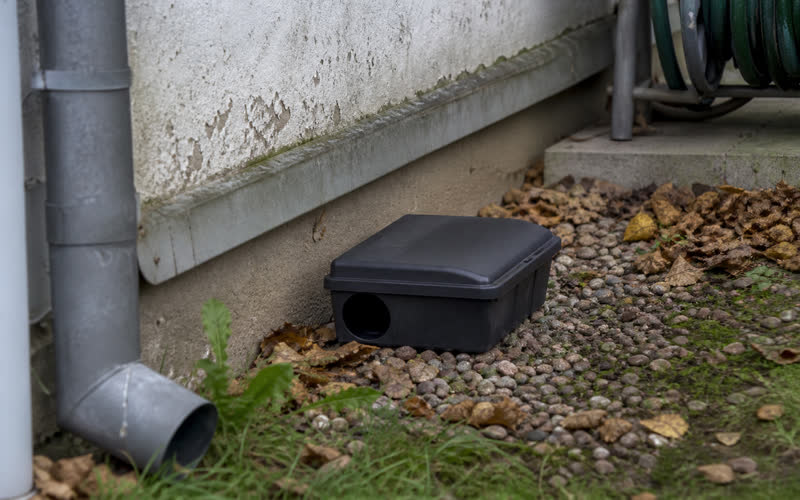
A perimeter inspection, outdoor bait stations placed along the external walls, identifying entry points, sealing recommendations, and regular checks with product replacement.
Who needs it
Houses with a garden and compost, summer houses, warehouses, food premises, restaurants and apartment building basements. Anywhere with a permanent rodent population in the surrounding area.
Seasonality
The most important period is August to September, before the autumn migration. Treatment ahead of the season stops rodents at the external wall of the building.
Prevention versus treatment
Prevention usually takes one planned visit. Treatment, once a population is already nesting in the building, takes several checks and often repairs to the damage as well.
A quarterly prevention calendar
The simplest way not to lose prevention in the day-to-day is to split it into four stages. At the end of winter and in spring, in March and April, check the foundation line after the frost — freezing and thawing widen cracks, and that is exactly when new openings appear. In summer, from May to August, attention goes to the ground around the building: long grass against the wall, the log pile, the compost and the bin area. Autumn, from September to November, is the most important period — before the first cold, door gaps, ventilation openings and pipe entries need closing, because that is when the move into the warmth happens. In winter, in December and January, comes the indoor check: basement, loft, plant rooms and storage areas, where activity shows up precisely in the cold months. This rhythm works year after year in the Riga climate.
The everyday habits that matter most
Prevention is mostly not technical work but a culture of storage. Dry food — grains, flour, pasta, nuts, pet food — belongs in glass or rigid plastic containers with a tight lid, not in paper or film packaging on a shelf. A rubbish bag is not left overnight by the door, in a flat or in a yard. The container lid is closed every time; a half-open container is a permanent feeding site for the whole neighbourhood. In the garden, fallen apples, plums and nuts are collected rather than left until spring. A bird feeder set low and an open compost heap with food waste both act as feeding points. The pet's bowl is emptied overnight. These habits cost nothing, but they remove the main reason rodents take an interest in a particular building at all.
Building maintenance that doubles as prevention
Some ordinary repair work is also prevention, if it is done with rodents in mind. Downpipes and rainwater drainage that keep the foundations dry reduce the damp zone where animals like to dig. A damaged basement window is not patched over with film but covered with metal mesh whose aperture is smaller than six millimetres. Ventilation outlets and roof openings get mesh rather than being left open. Where the gap under a door exceeds six millimetres, a metal threshold profile goes on. Pipe entries in walls are filled with cement mortar or a metal filling — expanding foam and plaster are gnawed through within weeks. Damp or spoiled insulation replaced in the loft and floor structures no longer serves as nesting material. This work lasts for years.
How to inspect your own property twice a year
A self-inspection takes about an hour and is best done in spring and autumn. Start outside: walk right around the building, follow the foundation line and look for holes larger than a coin, dug soil at the foundations, cracks in the plinth and uncovered ventilation openings. Check the places where the water, sewer and electricity supplies enter the wall. Check under the garage and shed doors. Then go inside with a torch: basement, heating substation, loft, the space behind fitted furniture, the cupboard under the sink, the back of the fridge. Look for three signs — droppings, dark grease marks on the wall five to ten centimetres above the floor, and gnawing with pale, fresh edges. Photograph what you find and note the date, so that next time you can compare whether anything has changed.
A property that stands empty for part of the year
A summer house, a flat that sits empty over winter, or premises between tenants is a special case, because the problem is only noticed months later, once the damage has been done. Before leaving, empty out all food, including salt, sugar and pet food, and do not leave flour in the pantry for the winter. Take out textiles, blankets and pillows or pack them in rigid boxes — they are the main nesting material. Close the chimney and ventilation openings with mesh. Check that all doors and small windows are tight, and stand the furniture slightly away from the walls. If you can, ask a neighbour or the building manager to look in once a month. In most empty properties the problem starts not in the first week but after the first cold spell, which is why the October check is the most valuable.
How prevention differs for a flat, a house and a business
In a flat the resident's scope for action is narrow — it ends at the wall. The essentials are sealing the risers and pipe entries within your own flat, mesh on the ventilation, storage in sealed containers and tidying up your cage in the communal basement; the rest has to be handled with the building manager. In a house the responsibility is complete and the work starts outside: foundations, grounds, shed, log pile, compost, bin area, and the garage and basement entrances. In a business, prevention is a process rather than a one-off job: the regime in the waste room, the goods-in area where doors stand open for long periods, storing product on shelves rather than on the floor, and a duty on staff to report signs. In every case the starting point is the same — an inspection that shows where the weak spot is on that particular site.
Frequently asked questions
How often should prevention be carried out?
Usually once a year ahead of the autumn season; more often on commercial premises.
Is prevention needed when there is no problem?
On sites with a large influx — yes.
What does it cost?
It depends on the site; for residential properties it starts at €40.
Which time of year is best for preventive treatment?
In Riga the most useful period is from late August to October, before the mass move into the warmth begins. Treatment at that time meets the animals while they are still outside the building. The other good moment is early spring, before the breeding season builds.
Is prevention worthwhile if the neighbours do nothing?
It is worthwhile, but with realistic expectations. How well your building is sealed and how orderly your storage is reduce how attractive your space in particular is, and the influx from the neighbours' side stops turning into permanent settlement. In the long run a better result comes from the whole building or block acting together.
Can ultrasonic devices replace prevention?
No. Devices like these do not close off the entry routes and do not affect the availability of food — the two factors that decide whether rodents stay. In practice the animals get used to the sound and move to the part of the space it does not reach. Sealing and orderly storage work; sound does not.